Finding light
Thoughts on photography

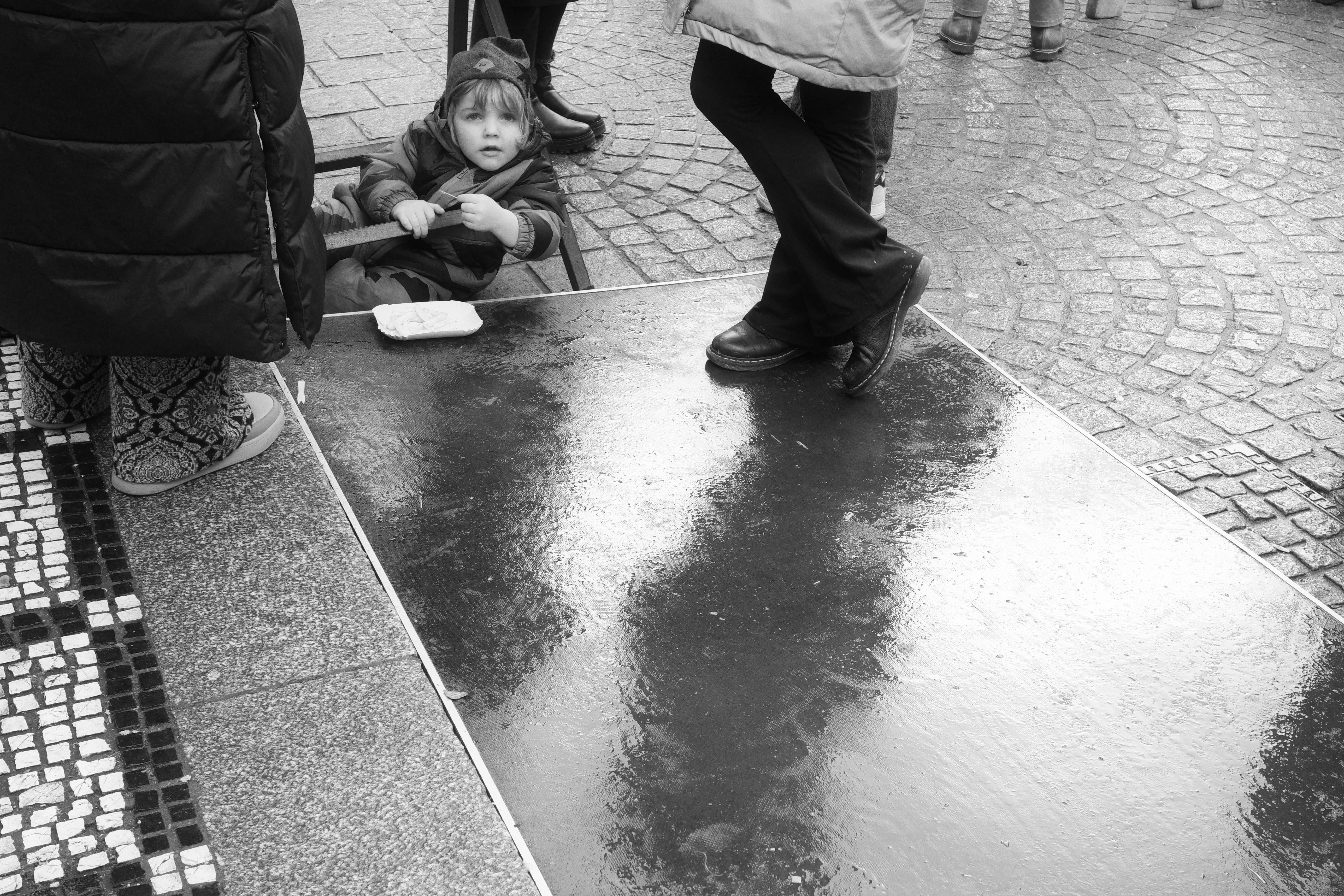
I’ve recently picked up Susan Sontag’s collection of essays, On Photography. In the first essay she asserts that whatever the limitations of a photographer, whether due to amateurish compositions or artistic pretension, their main aim always remains to reflect what is ‘out there’; ‘virtuosi of the noble image’ and ‘Polaroid owner’ alike.
I frequently think about the Brian Eno quote where he mentions the quirks and shortcomings of mediums of the previous age - vinyl scratches, tape flutter, jittery digital video - and their sublimation into the newer medium for their aesthetic or characteristic qualities. Their failings become their signature.
I almost exclusively use film simulation modes with my camera because I feel, despite the digital manipulation that makes it so, that the images are more reflective of the actual mood and emotion I was hoping to convey than if I were able to reflect what I saw directly as it was. They get me closer to what I thought was “out there”.
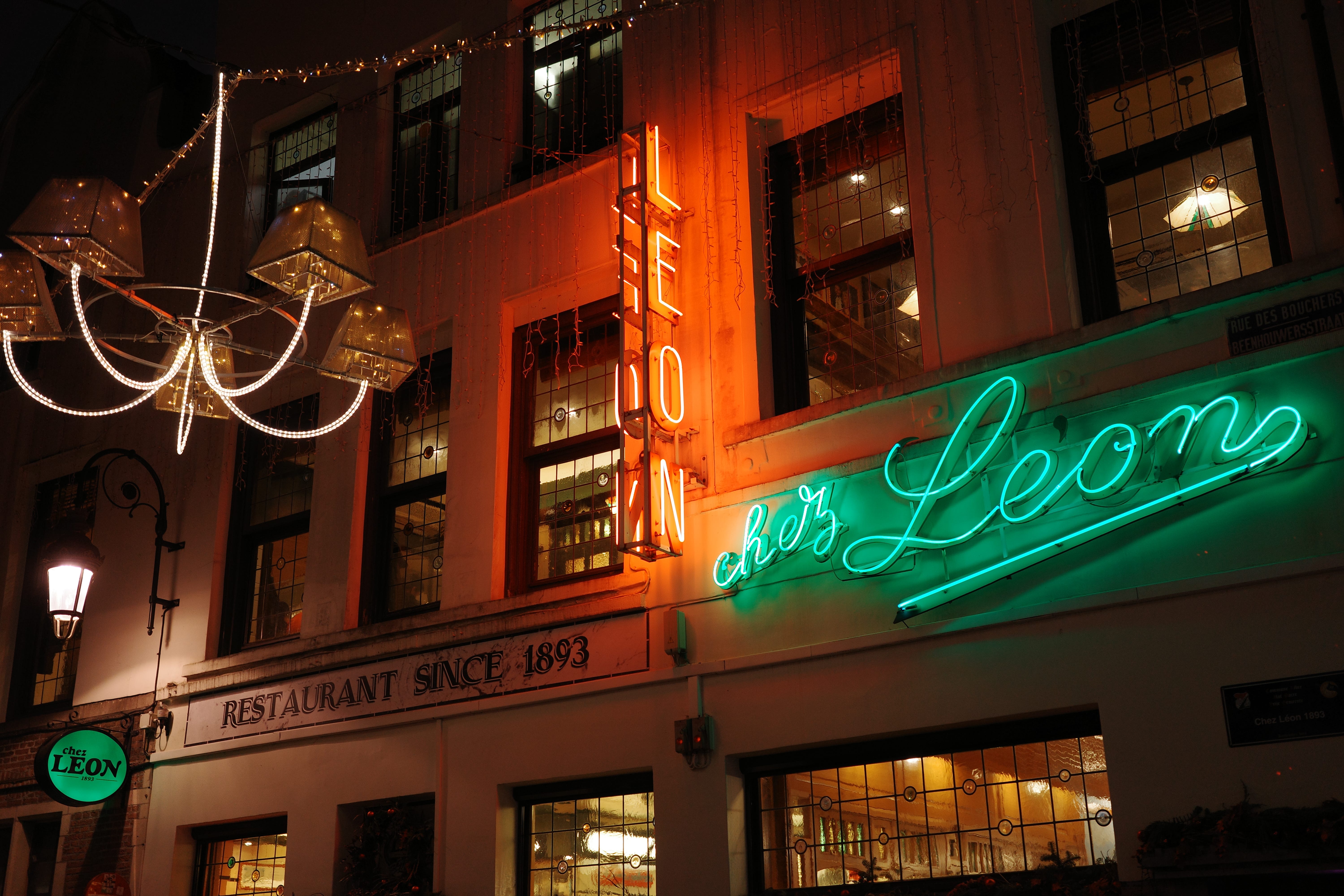
The “out there” for me is in and of itself a complication given I have diplopia, or double vision. I’ve read on terrifying medical binge reads that it can cause aloofness, or a sense of detachment from the world; when every image that enters the retina is slightly blurred, off-kilter, or even duplicated, it can be hard to feel present. Photography, despite also detaching me from the moment and only really offering me the image I captured in retrospect, allows me to feel more present, over time. Since starting to take pictures again, I find that I’m more aware of my surroundings; I notice when the façade of a building that I photographed before on my commute has been restored, or when the road works I was hoping to take pictures of aren’t there anymore.
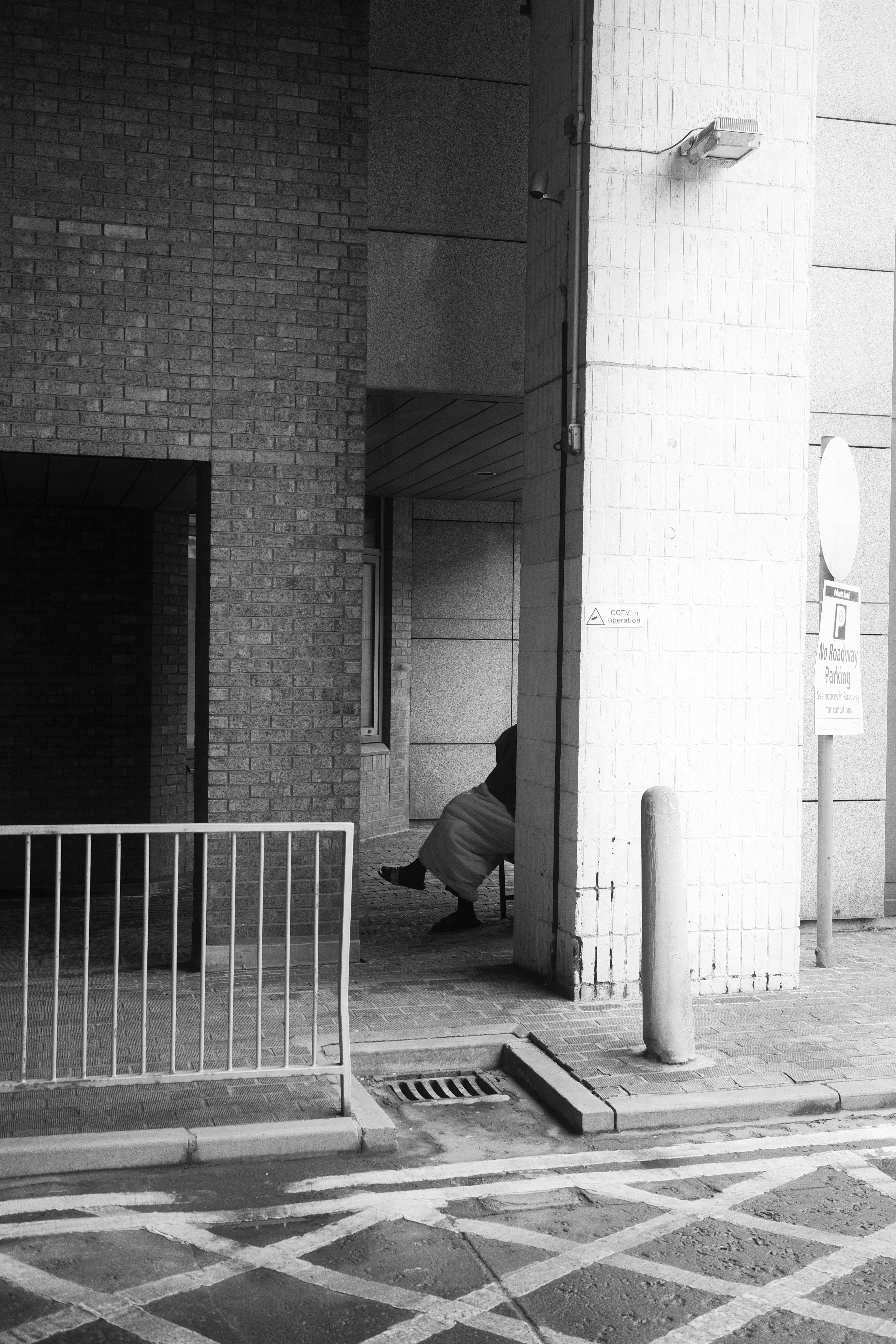
The more photos I take and the more I reflect on them and try, in some way, to improve as a photographer, I find that life becomes more intriguing; odd geometric shapes and pops of colour become opportunities for me to reflect and compose images in a way that is satisfying to me. I am suddenly attuned to street corners and people and animals in a way I hadn’t been before because I am now aware, more than ever, that there is intrigue and emotion in unexpected places. Photography pushes me through reservations and anxieties and into opportunities to connect. I approach a stranger and take a picture of their dog without asking, surprised to find that they’re amused; not angry, confused, or irritated. When I linger on a spot to try and find a satisfying composition, the people passing by more often than not turn their heads to see what I’m taking a picture of. If they were to stand where I stand and look at it for another moment, I’m sure they’d also see how the shadow traces down from the balcony at just the right angle, how the sunlight illuminates that little red post box in just the right way.
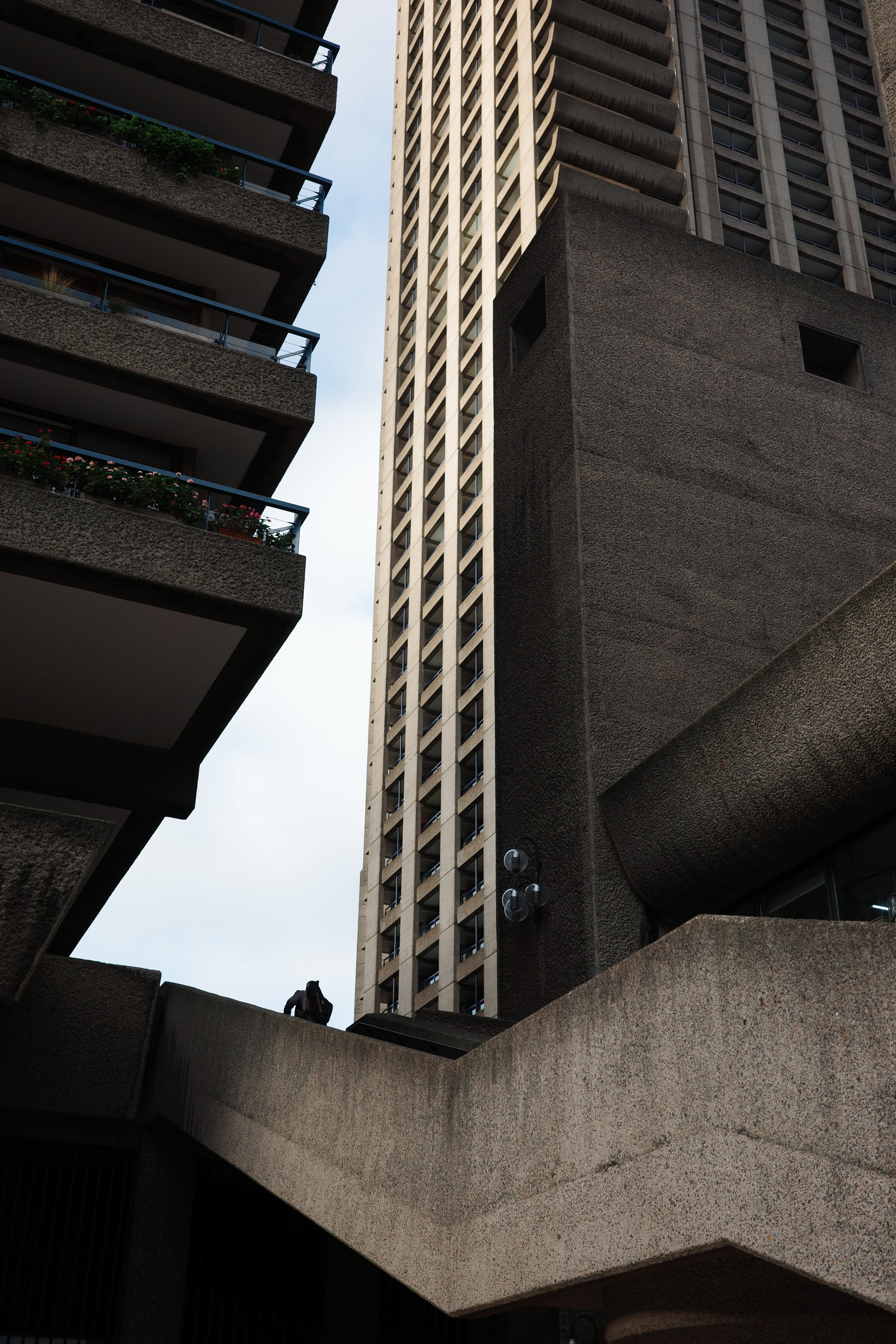
I’m not suggesting I’m some photographic luminary who is able to extract from the simplest of scenes something profound and beautiful because I’m simply “paying more attention”; many of my photographs wouldn’t survive scrutiny from the knowing eye of a professional photographer. Under a critical lens, most of my stylistic choices might strike someone as obvious - I photograph things that are obviously mysterious, obviously fun, obviously sad. I don’t have a grasp yet on the facility with which professional photographers are able to see scenes and objects that others would pass on.
What I’m trying to say when I talk about lingering on a spot has less to do with my talent as an amateur photographer and more to do with the “out there”. Outside of photography, too, life is made what it is through us. I’m thinking of that embarrassingly social-media-friendly but still beautiful quote: “We are the universe experiencing itself.” Whatever it is, small or large, inane or significant, the moment the photographer puts their finger down on the shutter, they have created meaning. They’ve suggested to the world that there is something there.
Does this set up a ‘chronic voyeuristic relation to the world which levels the meaning of all events’ as Sontag goes on to say in On Photography? Is a camera, ‘like a car’, ‘sold as a predatory weapon’? Does the very act of taking a picture mean ‘putting oneself into a certain relation to the world that feels like knowledge—and, therefore, like power’? I’m not sure. I can’t help but be moved more by the throwaway sentence in Camera Lucida where Barthes mentions a friend who had only turned to photography because it allowed him to photograph his son. I take lots of pictures of my girlfriend.
I can’t refute that I certainly feel something when I take a nice picture, but it’s not exactly power. In A Swim in a Pond in the Rain, George Saunders tells us that in Buddhism a teaching is like ‘a finger pointing at the moon’: ‘the moon (enlightenment) is the essential thing and the finger is trying to direct us to it, but it’s important not to confuse finger with moon.’ I can’t think of a more apt and beautiful metaphor. It conjures in my mind a deep terrifying sky and the moon suspended from it, magical, big, almost blue, with a measly little finger reaching out towards it. Never has pointing my camera at a subject felt like wielding ‘a predatory weapon’. More an almost pitiful, but in some ways humble, attempt at finding light.